
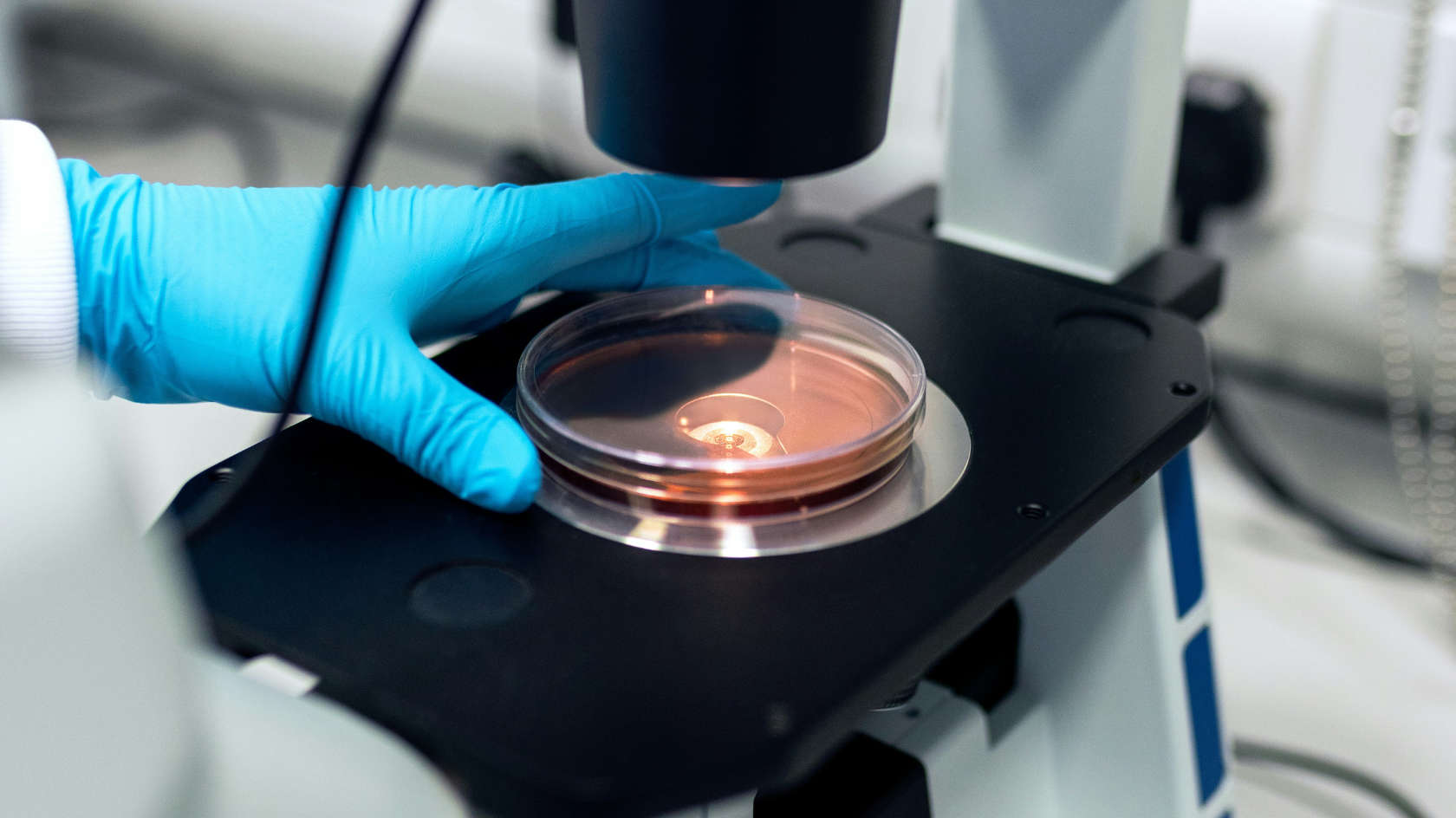
Sermorelin–Ipamoreli peptide synergy.
Within contemporary peptide research, increasing attention has been directed toward combinatorial peptide systems designed to explore complex endocrine signaling architectures rather than isolated molecular actions. Among these, the Sermorelin–Ipamorelin peptide blend has emerged as a particularly intriguing construct.
Rather than being framed as an applied or research formulation, this pairing is more accurately understood as a research-oriented model used to investigate how distinct growth hormone–related signaling pathways might interact, synchronize, or complement one another within the research model.
Sermorelin and Ipamorelin are both synthetic peptides with well-defined molecular identities and historical relevance in growth hormone axis research. Individually, each peptide has been examined as a selective modulator of endogenous hormonal signaling. When theorized as a combined system, the blend invites a broader exploration of pulsatility, receptor specificity, temporal signaling, and regulatory balance within neuroendocrine networks. Research discourse increasingly positions this combination as a conceptual probe for understanding how layered peptide signaling may influence biological coordination without directly overriding intrinsic regulatory mechanisms.
This article explores the Sermorelin–Ipamorelin blend as a speculative research construct, focusing on molecular characteristics, hypothesized signaling interactions, and potential research domains in which this dual-peptide framework may provide insight. All discussion is grounded in existing scientific understanding of these peptides while maintaining a theoretical and investigational orientation.
Molecular Identity and Structural Distinction
Sermorelin is a synthetic peptide analog derived from the first 29 amino acids of endogenous growth hormone–releasing hormone (GHRH). This truncated structure retains receptor-binding potential while excluding sequences believed to contribute to rapid degradation. As a result, Sermorelin has long been utilized in research settings to explore upstream stimulation of growth hormone release through hypothalamic–pituitary communication pathways.
Ipamorelin, in contrast, belongs to the growth hormone secretagogue (GHS) class and is structurally distinct from GHRH analogs. It is a pentapeptide engineered to interact selectively with the growth hormone secretagogue receptor (GHS-R), also known as the ghrelin receptor.
Unlike earlier secretagogues, Ipamorelin was designed to minimize cross-reactivity with other endocrine signaling systems, making it a comparatively selective molecular tool in research models.
Hypothesized Synergistic Signaling Architecture
Research discourse suggests that growth hormone regulation is not governed by a single linear pathway but rather by the integration of multiple stimulatory and inhibitory signals. Sermorelin and Ipamorelin are often discussed as representing two complementary arms of this regulatory architecture. Studies suggest that Sermorelin may primarily support growth hormone release through classical hypothalamic signaling mechanisms, while Ipamorelin might engage parallel secretagogue pathways that operate through distinct receptor populations.
When theorized together, investigations purport that the blend may allow researchers to observe how simultaneous yet mechanistically distinct signals converge at the level of the pituitary interface. Rather than forcing supraphysiological activation, the combination is hypothesized to amplify endogenous rhythmicity by reinforcing naturally occurring pulses. This makes the blend particularly attractive for research focused on biological timing, feedback sensitivity, and signal integration.
Pulsatility and Temporal Dynamics in Research Models
One of the most compelling areas of interest surrounding the Sermorelin–Ipamorelin blend lies in the study of pulsatile hormone release. Growth hormone is known to be secreted in discrete pulses rather than continuously, and this pulsatility is thought to carry biological significance beyond total hormone quantity.
Research indicates that Sermorelin may preferentially support pulse initiation, aligning with hypothalamic signaling rhythms. Ipamorelin, by contrast, has been theorized to modulate pulse amplification through ghrelin-associated mechanisms. Within a combined framework, the peptides are believed to allow researchers to explore how pulse initiation and pulse magnitude interact over time.
Cellular Signaling Cascades and Intracellular Implications
At the intracellular level, Sermorelin and Ipamorelin are believed to activate distinct yet potentially convergent signaling cascades. Sermorelin-associated pathways are linked to cyclic AMP and protein kinase activation following GHRH receptor engagement. Ipamorelin-related
signaling, meanwhile, is associated with phospholipase C activation and calcium mobilization downstream of GHS-R interaction.
Research theorizes that concurrent activation of these pathways may create a layered intracellular signaling environment in which transcriptional responses, metabolic coordination, and cellular communication are subtly modulated rather than overtly driven. Such complexity makes the blend particularly interesting for exploratory research into signal integration and cellular decision-making processes.
Implications for Metabolic and Energetic Research Domains
Growth hormone signaling is deeply intertwined with metabolic regulation, energy allocation, and substrate utilization. While avoiding applied framing, research suggests that the Sermorelin–Ipamorelin construct may be useful in studying how endogenous growth hormone rhythms influence broader metabolic networks.
Ipamorelin’s association with ghrelin receptor pathways invites inquiry into appetite signaling, energy sensing, and neuroendocrine communication, even when such aspects are not the primary focus of investigation. Sermorelin’s alignment with hypothalamic signaling further situates the blend within studies of central regulatory coordination.
In this context, the peptides are not viewed as drivers of metabolic change but as tools that may illuminate how growth hormone signaling interfaces with energy-related pathways at a systemic level. The impact observed in research models is often interpreted as informational rather than outcome-driven.
Relevance to Aging and Temporal Biology Research
Another research domain in which the Sermorelin–Ipamorelin blend is frequently discussed is the study of biological aging and temporal regulation. Growth hormone secretion patterns are suggested to shift across time, and research indicates that changes in pulsatility, amplitude, and feedback sensitivity may reflect broader temporal reorganization within the organism.
The peptide blend has been theorized as a means to explore how restoring or modifying signaling rhythm parameters might support markers of biological timing without overriding endogenous control systems. Such investigations are often framed within the context of epigenetic regulation, cellular maintenance signaling, and long-term organismal coordination. Importantly, these discussions remain speculative and investigational, emphasizing hypothesis generation rather than conclusive interpretation.
Conclusion: A Conceptual Tool for Advanced Peptide Research
The Sermorelin–Ipamorelin peptide blend occupies a unique conceptual space within peptide science. Rather than being defined by relevant implications or outcomes, it is best understood as a theoretical and experimental construct designed to explore the nuanced architecture of growth hormone regulation.
By combining two structurally and mechanistically distinct peptides, researchers gain a lens through which to examine pulsatility, receptor specificity, temporal coordination, and system-level signaling integration within the research model. The properties of this blend lie not in isolated molecular actions, but in the questions it enables scientists to ask about biological organization and regulatory balance. For more useful peptide data, visit this article.
References
[i] Ghigo, E., Arvat, E., Gianotti, L., & Grottoli, S. (1997). Growth hormone (GH)-releasing hormone, GH-releasing peptide, and their combination in the diagnosis of GH deficiency. Journal of Clinical Endocrinology & Metabolism, 82(6), 1648–1652. https://doi.org/10.1210/jcem.82.6.4015
[ii] Smith, R. G., Ward, D. T., & Camanni, F. (1983). GRF and GHRP: Distinct hypothalamic regulators of GH secretion. Trends in Neurosciences, 6(10), 354–358. https://doi.org/10.1016/0166-2236(83)90173-9
[iii] van der Lely, A. J., Tschöp, M., Heiman, M. L., & Ghigo, E. (2004). Biological, physiological, and pharmacological aspects of ghrelin. Endocrine Reviews, 25(3), 426–457. https://doi.org/10.1210/er.2003-0027
[iv] Izzo, A. A., Gunn, J. R., & Fisher, J. (2012). Growth hormone secretagogues and their receptors: Molecular basis and clinical applications. Peptides, 38(2), 309–318. https://doi.org/10.1016/j.peptides.2012.06.015
[v] Meinhardt, U. J., & Ho, K. Y. (2015). Regulation of growth hormone pulsatility: Integration of hypothalamic and peripheral signals. Pituitary, 18(2), 137–148. https://doi.org/10.1007/s11102-014-0599-y