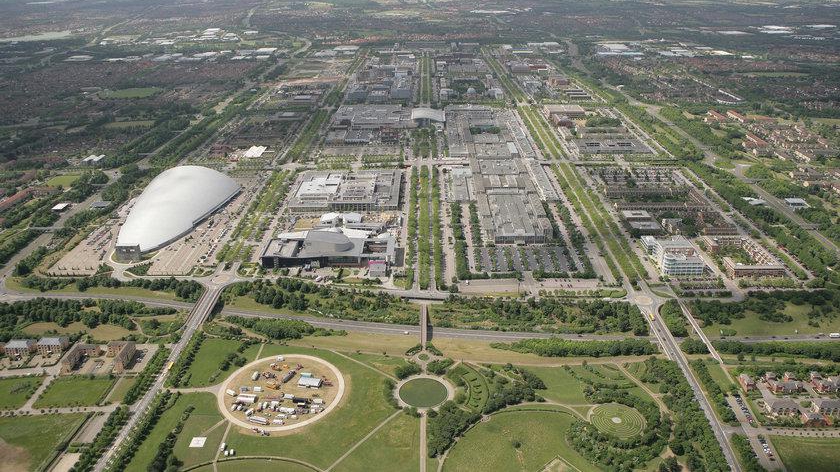
Milton Keynes Community Foundation (MKCF) has launched the 13th edition of its annual Vital Signs MK report at Unity Place.
Vital Signs MK provides clear, evidence-based insight into local needs and takes a pulse of the city's health across 10 major themes. Themes include Poverty and Disadvantage, Environment, Health and
This year, the Foundation conducted its own survey of residents in Milton Keynes, to provide an authentic voice on everyday life in the city. The 2026 report found that Milton Keynes has ambition, innovation and opportunity, yet many residents are being left behind.
In housing, Milton Keynes ranks in the bottom 7% of local authority districts for ‘barriers to housing and services’ (IMD 2025), measuring difficulties accessing affordable housing and essential services.
Although homes are being built at pace - an average of 2,110 new homes delivered each year - exceeding the government's target of 1,720, the situation is far more complex. On paper, affordability looks strong: the city ranks eighth of 296 local authorities, with 32% affordable housing across private developments. But affordable homes are increasingly pushed out of the city centre, and in Central Milton Keynes last year, developments delivered just 7% of affordable housing.
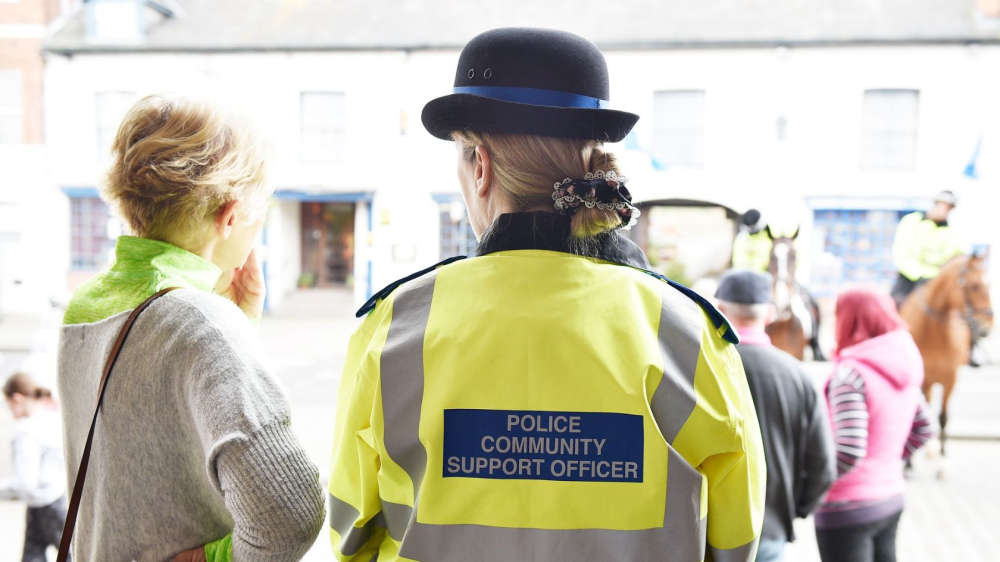
Crime and safety remain a major concern, with 54% of residents said levels of crime are the top thing they wanted to see improved.
Women report deeper concern: 52% believe crime is worsening, compared with 34% of men. Reported sexual offences rose by 17.8% between April 2024 and March 2025 compared with the previous year.
Notable increases include:
- Sexual offences +17.8%
- Domestic abuse +4.9%
- Hate crime +8%
- Shoplifting +26.9%
In poverty and disadvantage, Milton Keynes remains less deprived than the England average, but its 2025 IMD rank (157/317) is lower than in 2019, indicating growing relative deprivation.
Child poverty is rising, reflected in a 7% increase in children in low-income families between 2022/23 and 2023/24. In total, 11,619 children are eligible for free school meals in Milton Keynes.
While these challenges are significant, Milton Keynes also has great strengths. Survey respondents showed that many within the city have a strong sense of community pride:
- Three-quarters of residents feel that the sense of community/belonging is getting better or staying the same.
- 86% of adults agreed that their local area is a place where people from different backgrounds get on well together.
The report discovered that public transport is limited in estates outside the city centre, placing additional financial strain on low-income families.
Reliance on taxis highlights deep inequality: 26% of residents in the most deprived areas rely on taxis as a main mode of transport, compared with 11% in the most affluent areas.
Limited access to nearby shops forces many households to choose between expensive convenience stores or costly taxi trips to supermarkets.
Environment was rated highly, with 85% of residents saying they have good access to nature, and 75% reporting that spending time in green spaces positively supports their wellbeing.
“We hope this report becomes a year-round tool for Milton Keynes, helping ensure attention and resources are directed to where they are needed most," said chief executive Ian Revell, "When used strategically and in collaboration with others, Vital Signs is more than a publication — it is a catalyst for impactful partnerships and lasting change across the city.”
The report can be read in full at https://www.