The charity Diabetes UK is providing support and advice for people in the Muslim community who live with diabetes to help them stay healthy during Ramadan.
This year, Ramadan will run for 29 or 30 days from on or around Tuesday 17 February, ending with Eid al-Fitr.
It is a time of celebration and spiritual renewal for the community, but for many people living with diabetes, Ramadan can also bring uncertainty and concern around fasting and its impact on their health.
The Qur'an requires Muslims to fast from sunrise to sunset during the month of Ramadan, but there are some exceptions. People who are unwell and those who have medical conditions, including diabetes, are not expected to fast.
People with diabetes can still choose to fast and Diabetes UK is encouraging anyone living with diabetes and preparing for Ramadan to speak to their healthcare team and their Imam to help them to decide how best to observe the holy month and manage their diabetes safely.
Diabetes UK offers the following Ramadan advice for people living with diabetes who choose to fast:
· If you are unwell, do not fast and call 111 or speak to your healthcare team for further advice.
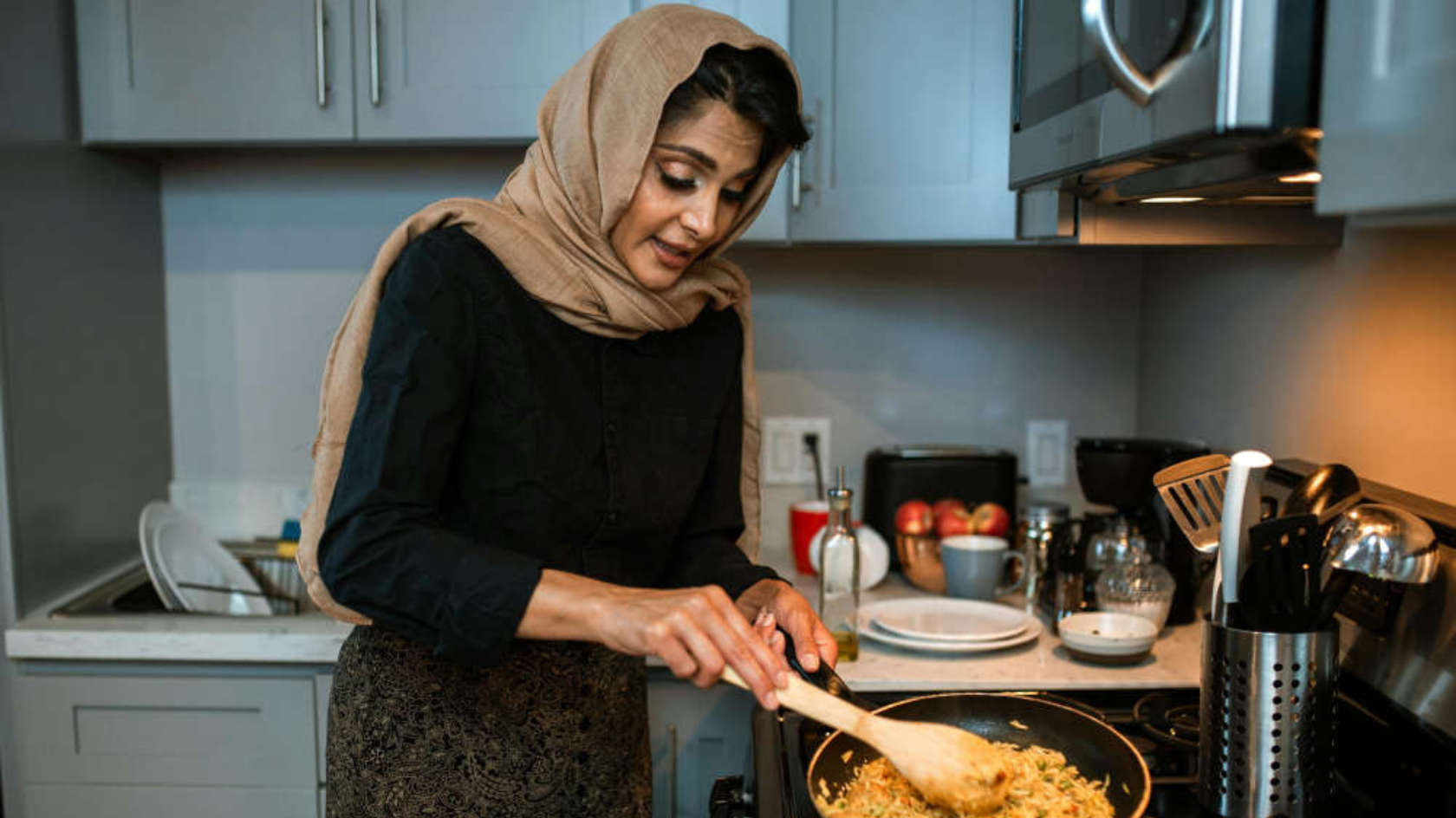
· If you do choose to fast, for the pre-dawn meal (suhoor), choose high fibre slow-release carbohydrates, such as oats and wholegrains, wholegrain bread, brown or wild rice. Meals containing lentils, such as dhal, are good sources of protein, as are chickpeas and beans, which you can pair with fruit and vegetables.
· During your fast, if you already check your blood sugar levels, monitor them more frequently. It’s important to note that taking diabetes medication or checking your blood sugar levels will not break your fast.
· If your blood sugars drop below 4 mmol/l you must break your fast and treat the hypo with some sugary food or fluid. It’s important to follow this with something starchy to reduce harm to your body and avoid needing medical treatment. It’s a good idea to carry hypo treatments with you and a bottle of water during the fasting period.
· You may develop high blood sugar levels during a fast if you miss your usual prescribed medication, if you have larger portions of starchy or sugary foods or if you are less physically active than normal. If your blood sugars are above your target range, break your fast with some water and treat as you normally would. High blood sugars can increase your risk of dehydration which can make you feel dizzy and tired.
· When you break the fast in the evenings for the iftar meal, be mindful of portion sizes and keep oily, sugary or salty foods to a minimum.
“Diabetes is not the same for everyone and choosing whether to fast is a personal choice. However, getting information and advice ahead of Ramadan can help you decide whether it is right and safe for you to do so," said Douglas Twenefour, head of clinical at Diabetes UK, “Fasting affects your body in different ways and if you are living with diabetes there may be increased risks such as hypoglycaemia. There is also the risk of dehydration and hyperglycaemia which can lead to diabetic ketoacidosis (DKA) – a serious condition that can be life-threatening.”
Diabetes UK has more information at www.diabetes.org.uk/ramadan